What to know before you go
Sarajevo is one of the easiest places in Europe to try skiing for the first time. Two Olympic mountains and two small family areas are within an hour of the city, a day pass costs much less than in the Alps, and you can stay in town and go up just for the day. This is what we tell people who have never had skis on.
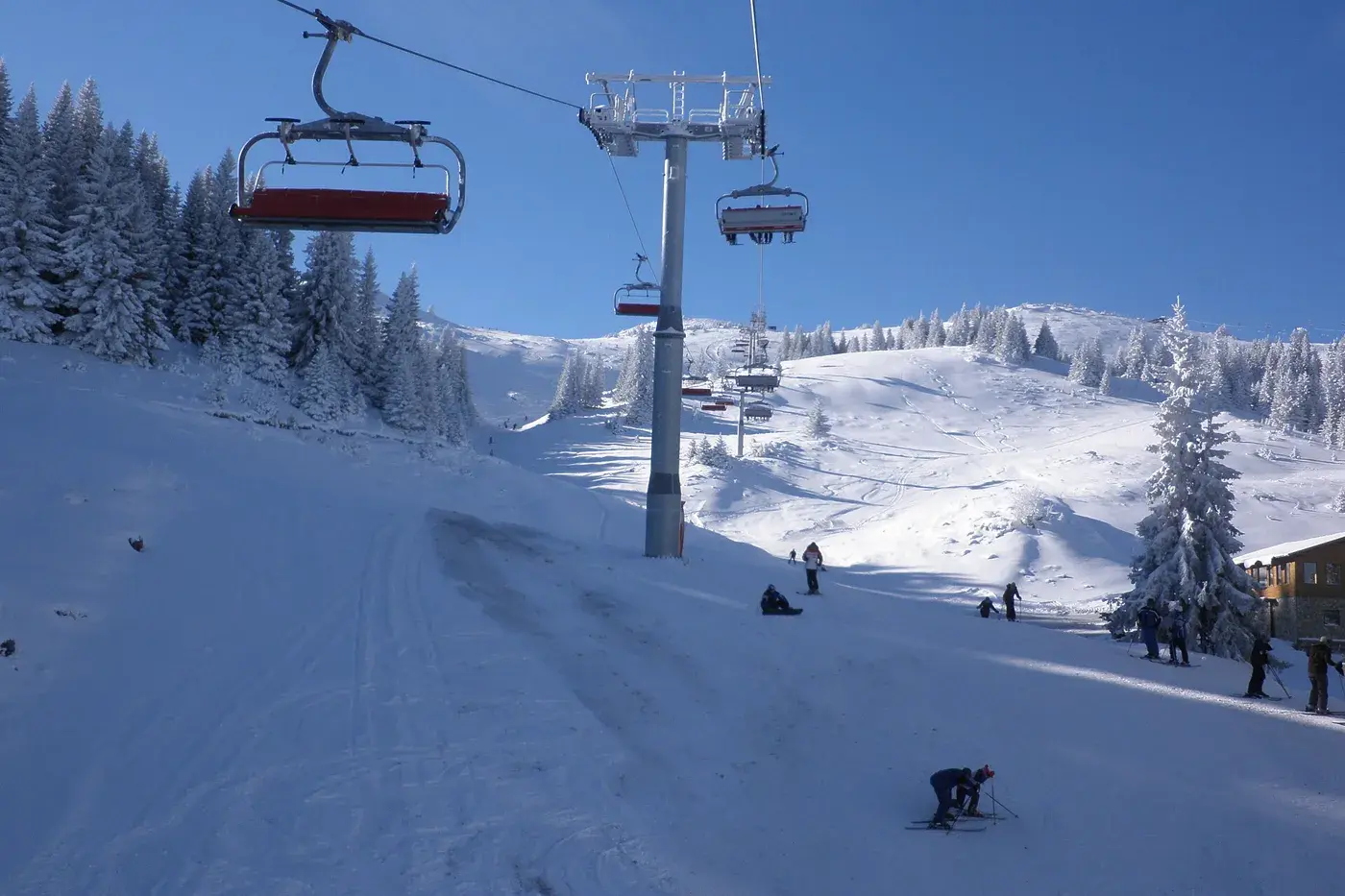
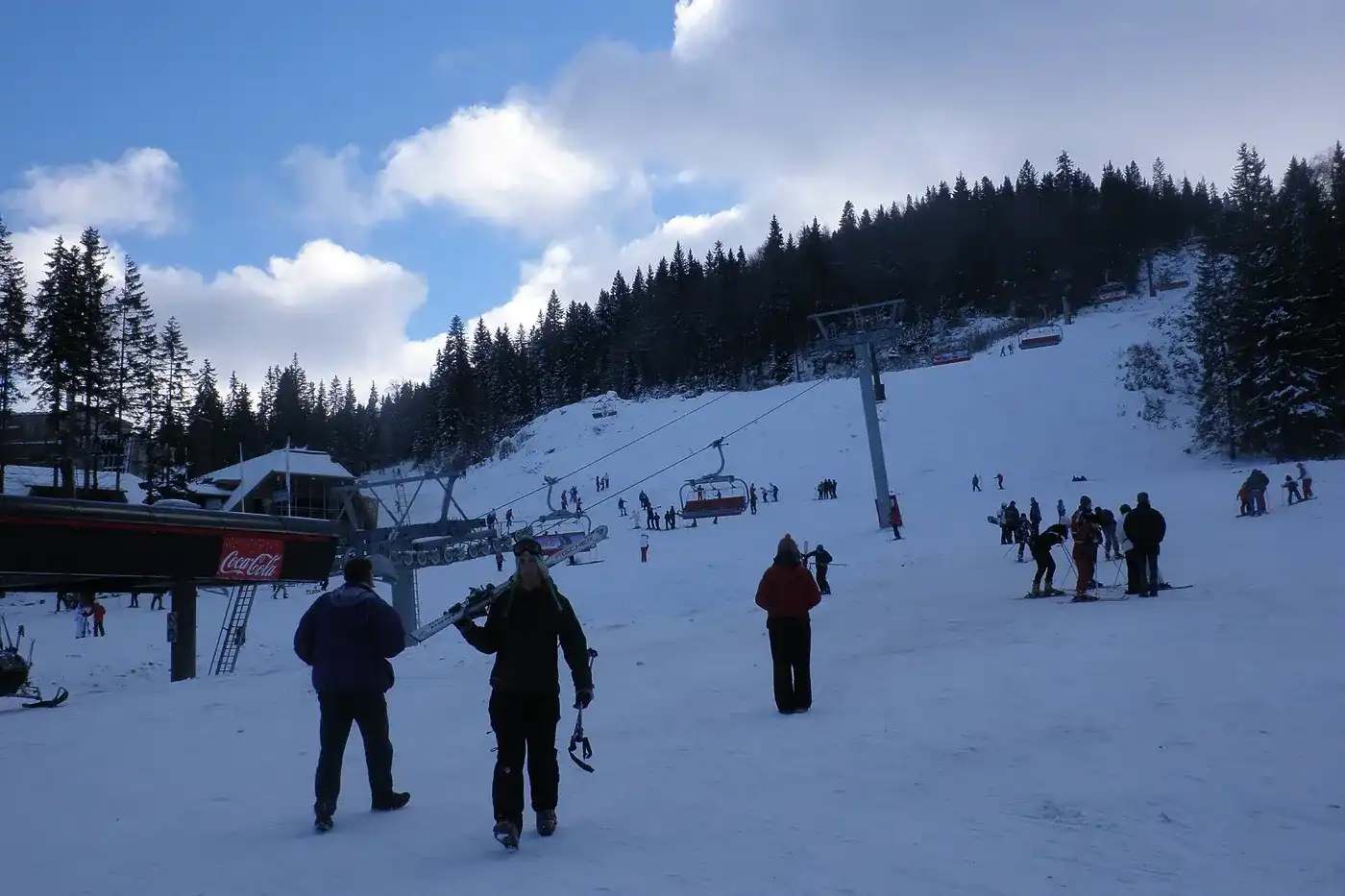
Start with where. For a first day on snow, you want short, gentle slopes with a slow lift, not a big mountain. Igman's Malo Polje is the closest skiing to Sarajevo, with short and gentle runs by the 1984 ski jumps. Ravna planina above Pale is a small family resort with mostly easy runs and a 40 KM day pass for 2026/27. Jahorina and Bjelašnica, the two Olympic resorts, both have beginner areas and ski schools, and they are where you want to be once you can turn and stop.
Then how long. One day is enough to find out whether you like it, and most people spend it learning to stand, slide and stop. It is days two and three that make it stick, which is why we recommend at least a weekend, and three days in a row if you can. After three days most beginners can turn and stop on an easy blue run with their instructor. With four or five days most people are comfortable on the mountain on their own. Consecutive days matter: three days spread over a week means relearning the basics every time.
Use this guide for planning, then check current weather, route conditions, access, and tour details before choosing a date.
Take lessons. Learning from a friend who skis is the quickest way to stop enjoying it. A good instructor gets you past the awkward first hours much faster, and for a beginner three hours a day is about right: enough to make real progress, with a break, and time afterwards to practise what you learned. Private lessons, or lessons shared with your own small group, are worth it on the first days, when every correction counts.
What it costs, in 2026/27 prices. An adult day pass is 98 KM (about €50) on Jahorina and 69 KM (65 KM online, about €35) on Bjelašnica. Ravna planina is 40 KM. A private lesson at the Bjela ski school on Bjelašnica is €30 an hour. Rental shops at the bigger resorts rent skis, boots, poles and helmets by the day; book ahead for the Christmas and January holidays, when sizes run out.
What to wear: waterproof jacket and trousers, warm layers underneath, proper ski gloves, a hat, goggles or sunglasses, and sun cream. Cotton is a bad idea, because you will spend more time sitting in the snow than you expect. Wear thin, warm socks, not thick ones, under ski boots. You do not need to buy anything else before you know you like it.
When to go. The resorts usually open in December; Jahorina opens on 6 December 2026. January and February have the most reliable snow. March can be lovely and cheaper, with 30% off Jahorina passes from 8 March, but the snow gets soft in the afternoon and the season can end early in a thin winter. Go midweek if you can: the beginner slopes are much calmer than on a Saturday.
Getting up there is the part that puts most visitors off. There is no train, and buses run to a timetable that changes every season. That is why we built our learn-to-ski lessons around a pickup in Sarajevo: we drive you up in the morning, your rental is fitted and your instructor is waiting on the beginner slope, and we drive you back in the afternoon. One day, a weekend or three days, on Jahorina or Bjelašnica, with three hours of lessons a day and the lift pass included.
Pick Bjelašnica if you want the cheaper option and a quieter beginner area, and Jahorina if you want the biggest resort and plan to keep skiing after the lessons. Either way, book the dates first and the mountain second: the snow and the wind on the day decide more than anything else.