What to know before you go
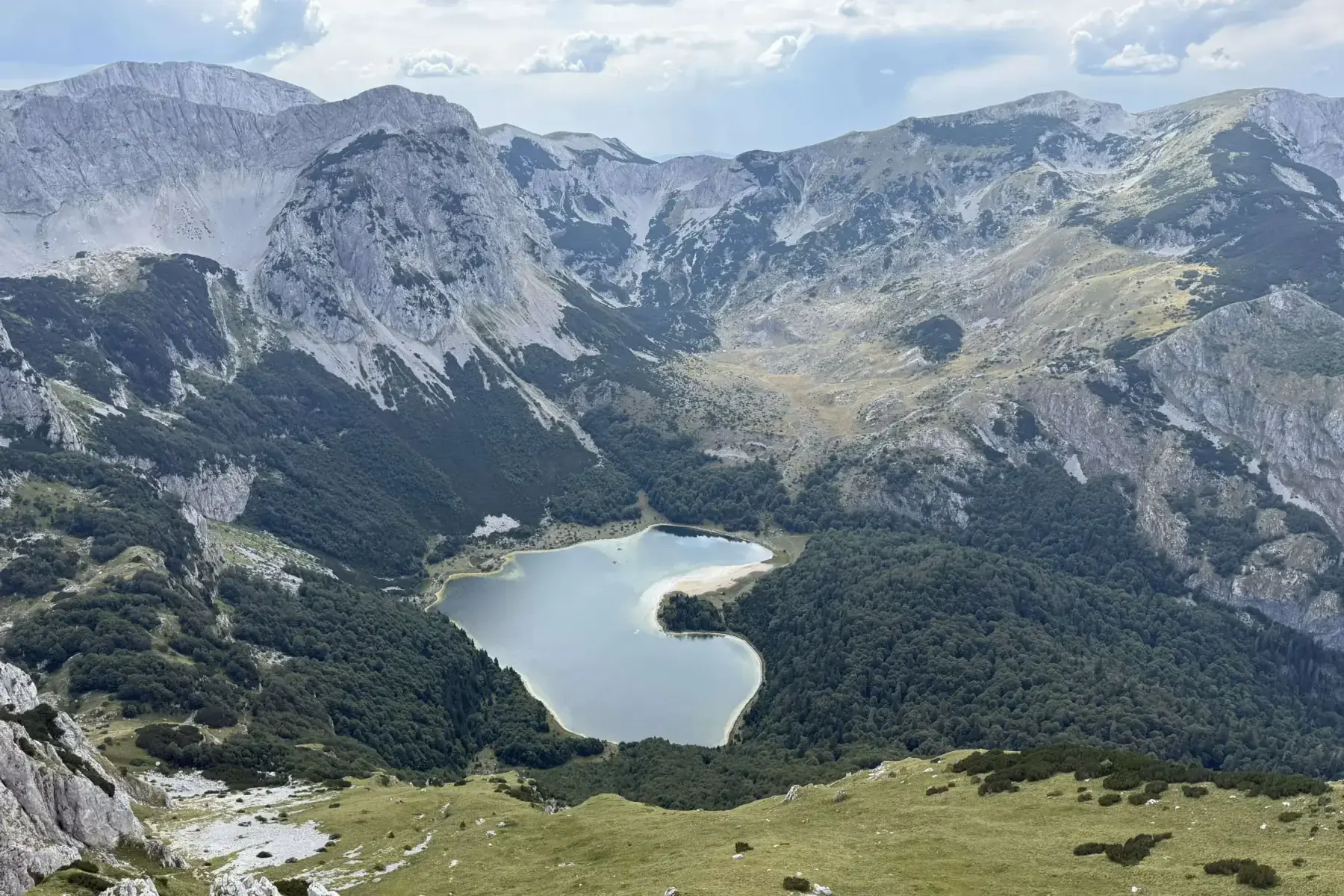
Maglić is the highest peak in Bosnia and Herzegovina, sitting on the Montenegrin border inside Sutjeska National Park. For hikers who want one big mountain day in Bosnia rather than several smaller ones, this is usually the trip to plan around. The summit itself is only half the story, because the descent passes Trnovačko Lake, the heart-shaped alpine lake that appears on most photos of the region.
The first thing to understand is the distance from Sarajevo. Sutjeska is not a quick trip out of the city the way Trebević or Skakavac are. The drive alone makes this a long day, which is why the route is often offered as either an intense one-day push or a more relaxed two-day version with a night in the area.
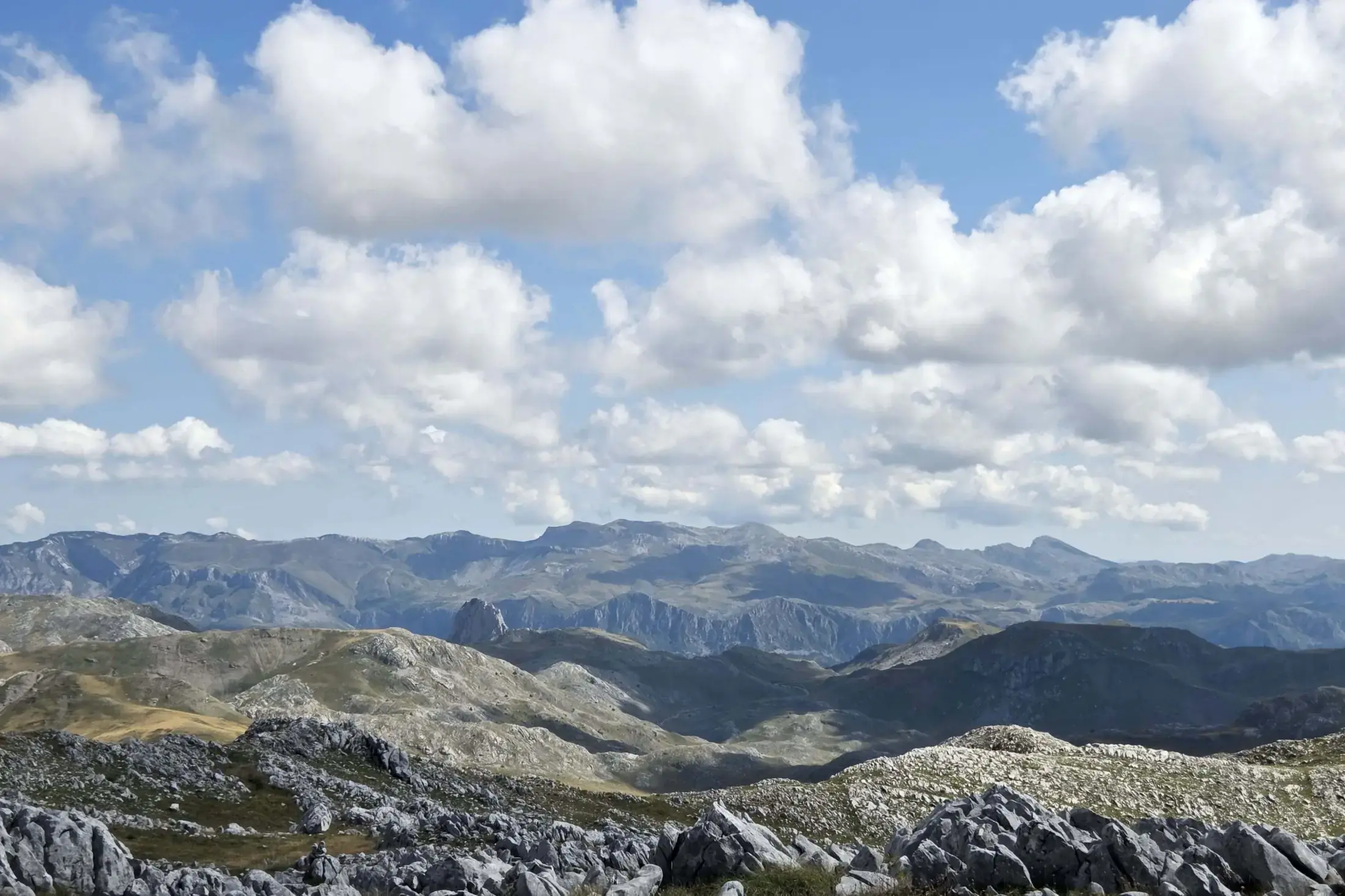
The hiking itself is challenging but not technical in good conditions. Expect sustained ascent, sections of steep rocky ground, and some exposure near the summit ridge where you will want your hands on the rock. Fit hikers without climbing experience complete it regularly, but it is a genuine mountain objective, not a walk with a view at the end.
Use this guide for planning, then check current weather, route conditions, access, and tour details before choosing a date.
Trnovačko Lake is the part most guests remember. It sits in a bowl below the peaks, just over onto the Montenegrin side of the border, and its shape and colour hold up even after you have seen the photographs a dozen times. Arriving on foot with Maglić behind you is a different thing entirely from seeing it on a postcard.
Weather discipline matters more here than on lower routes. The summit area is exposed, storms build quickly in summer afternoons, and a forecast that looks acceptable in Sarajevo can mean something very different at 2,386 metres. A guided trip will adjust start times and route variations around this, which is one of the main practical reasons to not improvise this one.
The season window is roughly late spring to mid-autumn. Snowfields can linger on the upper sections into early summer, and once snow returns the route becomes a different and more serious undertaking. June through September is the most reliable period for a standard hiking ascent.
On fitness: if you can comfortably handle a long day with 1,000 metres or more of ascent on uneven ground, you are in the right range. If your longest recent walk was a casual two hours, build up with something like Visočica or a longer day on Bjelašnica first. This is a mountain that goes a great deal better for people who prepared for it.
Sutjeska National Park itself adds to the day. It is home to Perućica, one of the last primeval forests in Europe, and the landscape has a scale that is unusual for the Balkans. Even the approach drive through the park feels like part of the trip rather than transit.
If Maglić is on your list, plan it like the main event of your time in Bosnia: give it a weather buffer, arrive rested, and decide honestly between the one-day and two-day formats. The two-day version exists because it makes the same mountain dramatically more enjoyable for most people.