What to know before you go
Sarajevo has two Olympic ski mountains within an hour of the city, one on each side. Jahorina is east, above Pale; Bjelašnica is west, past Ilidža and Hadžići. Both hosted the alpine events of the 1984 Winter Olympics, both have night skiing and snowmaking, and both are about 45 to 50 minutes' drive from the centre when the roads are clear. They are not the same mountain, though, and which one suits you depends on how you ski and what you want from the day.
The short answer: Jahorina if you want the most runs, the most hotels and an easy day of blue and red pistes; Bjelašnica if you are a confident skier who wants steeper terrain, fewer people and a cheaper pass.
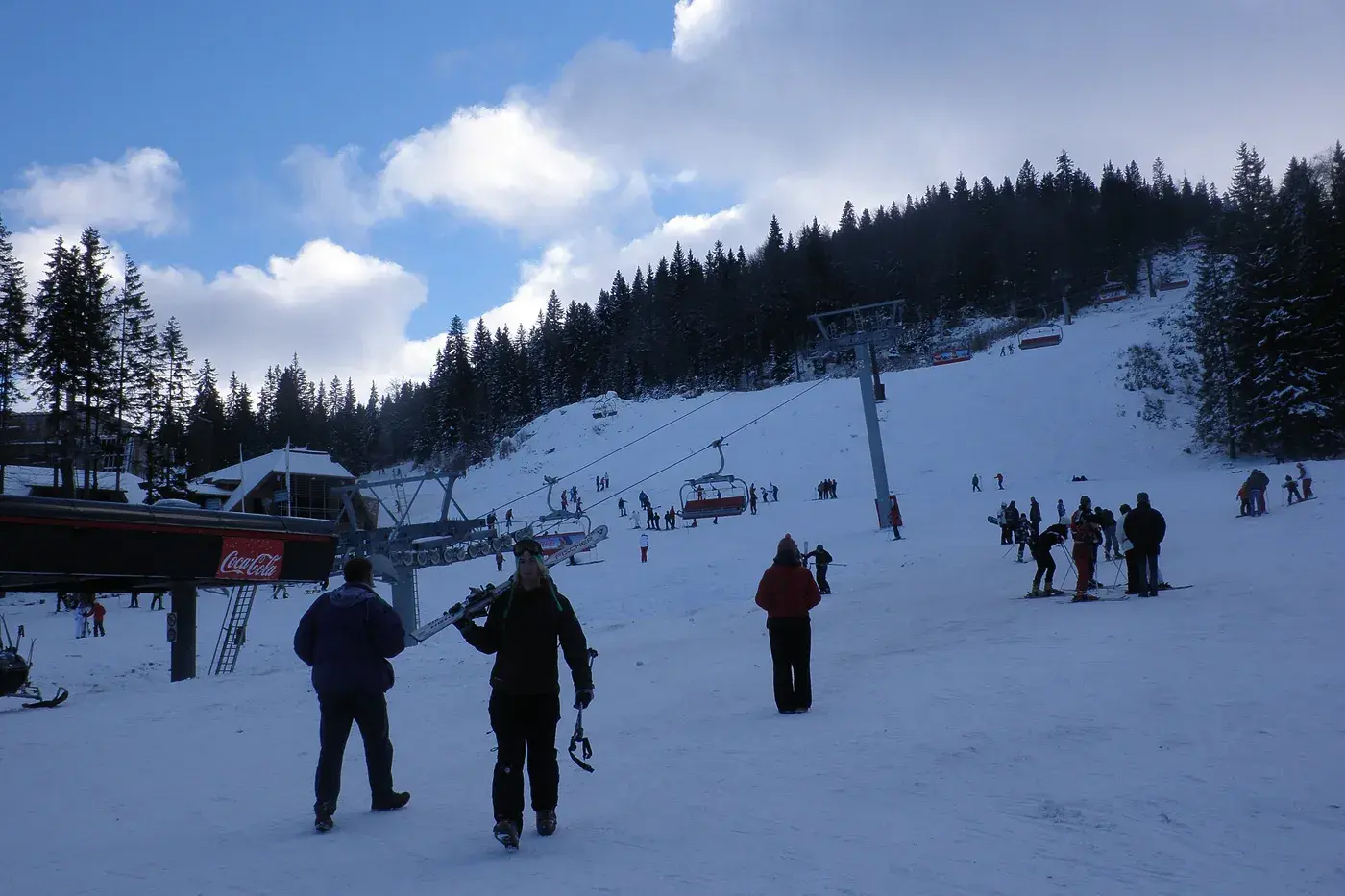
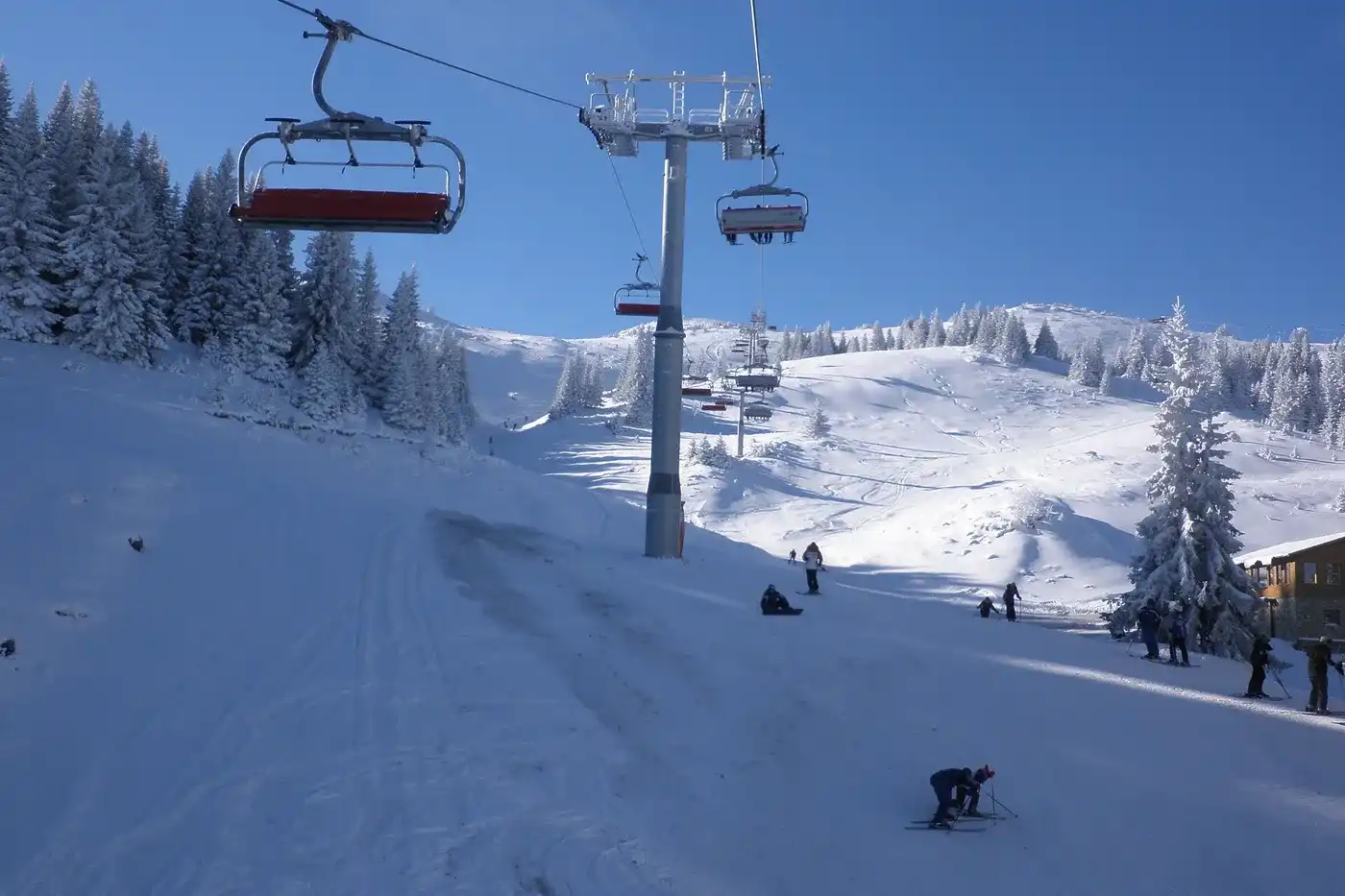
Size is the biggest difference. Jahorina is the largest resort in Bosnia and Herzegovina, with 54 km of pistes and 18 lifts on the slopes below Ogorjelica, including two gondolas and several six-seat chairlifts. Bjelašnica has about 14 km of pistes and 8 lifts at Babin Do. On Jahorina you can ski all day without repeating a run; on Bjelašnica a strong skier will know the mountain by lunchtime.
Use this guide for planning, then check current weather, route conditions, access, and tour details before choosing a date.
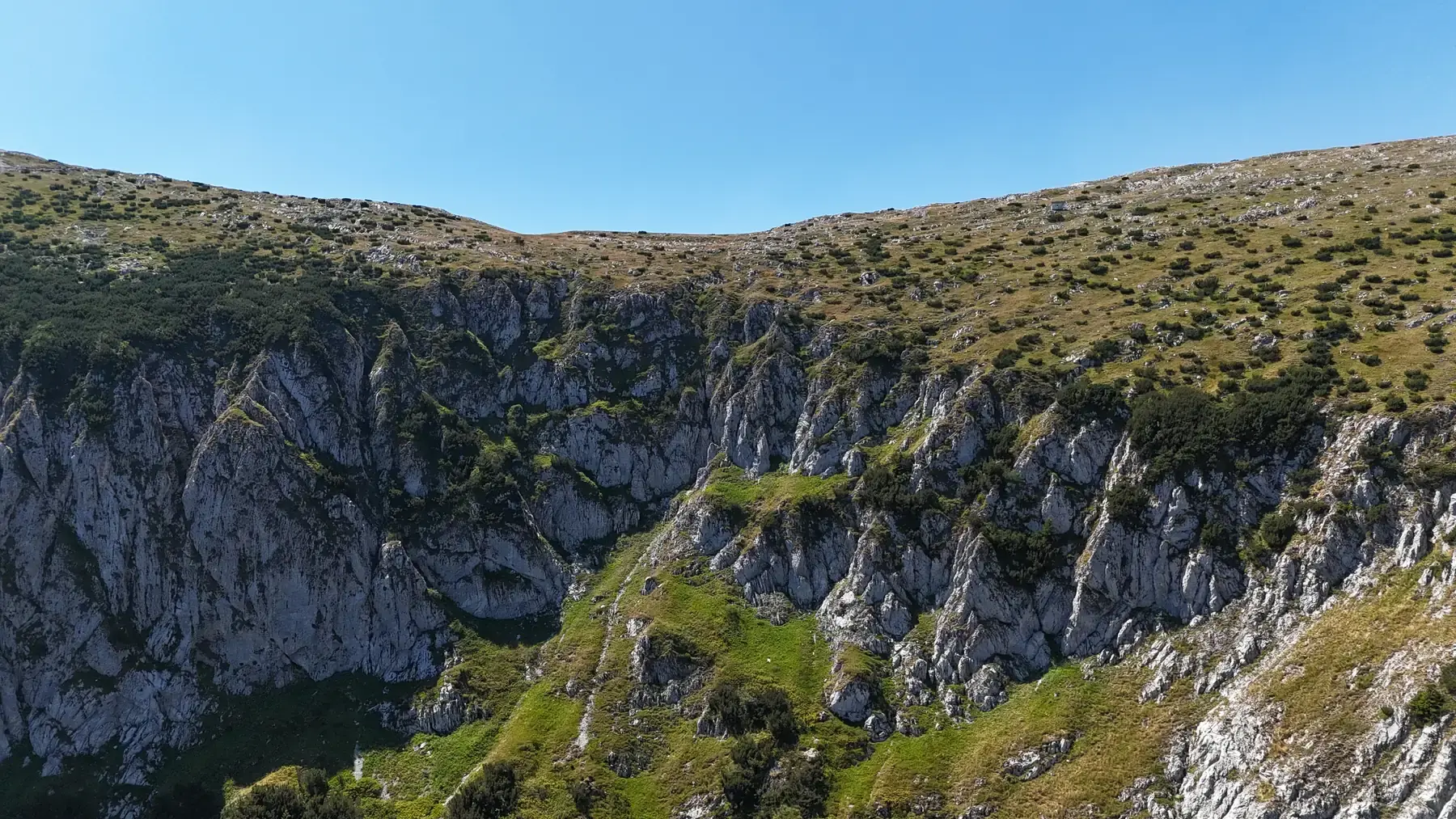
The terrain is the other way round. Jahorina hosted the women's alpine events in 1984 and is mostly blue and red runs through the forest, which is why families and intermediate skiers love it. Bjelašnica hosted the men's events: its Olympic downhill drops from the 2,067 m summit, the highest lift-served point in the country, and it has more red and black runs and open ground above the trees. After a fresh snowfall it is the better mountain for freeride. The open upper slopes are also more exposed to the wind.
Price has moved further apart for 2026/27. Jahorina's adult day pass rose to 98 KM (about €50), from 86 KM last season. It now has one price for the whole season, with 20% off on opening day, 6 December 2026, and 30% off from 8 March. Bjelašnica's adult day pass is 69 KM at the ticket office and 65 KM online, so about €35. The ticket office there has been card-only since January 2026. A Bjelašnica pass also works on the small lifts at Igman next door.
Crowds follow size and price. Jahorina is the busiest mountain in the country at weekends and over the Christmas and New Year holidays, when day-trippers from Sarajevo and visitors from across the region fill the car parks and the gondola queues. Midweek it is a different place. Bjelašnica is usually quieter.
Off the slopes, Jahorina has the most hotels, apartments, restaurants and rental shops on the mountain, so it is the easier choice if you want to stay up there. Bjelašnica has a smaller village at Babin Do. If you are staying in Sarajevo and driving up each day, that matters less than the snow and the wind on the day.
For beginners, both work, but differently. Jahorina has more gentle slopes and more ski schools to choose from. Bjelašnica is cheaper and has a children's area and ski schools of its own, and Igman's short, gentle runs are next door. Complete first-timers can also look at Ravna planina above Pale, a small family resort with mostly easy runs and a 40 KM day pass.
Our advice: if you are only skiing one day and you ski blue runs, go to Jahorina midweek. If you are a good skier, or you are skiing a weekend and want to see both, ski Bjelašnica on the day with the least wind. Check the forecast the night before; the mountain with less wind is usually the better day, whatever the piste map says.
We run day and weekend ski trips and beginner lessons from Sarajevo on both mountains, with lift passes, rental and pickup included and prices that follow the mountain you choose. The full price lists, resort facts and a map of every ski area in the country are on our resort pages.