What to know before you go
Footwear first. Trail shoes or light boots with real grip on the sole, which counts for more here than in a lot of places because of the limestone, the wet roots in the forest, and the dust on the summer paths around Sarajevo.
Layers beat bulk. A breathable base, a light fleece or mid-layer, and a rain shell that packs down small will cover almost anything spring, summer or autumn throws at a day hike here.
Carry water for the route and the temperature, which normally means at least 1.5 to 2 litres each for a full day. Bring salty snacks and something high in energy, because on most routes there is nothing to buy once you have left the road.
Use this guide for planning, then check current weather, route conditions, access, and tour details before choosing a date.
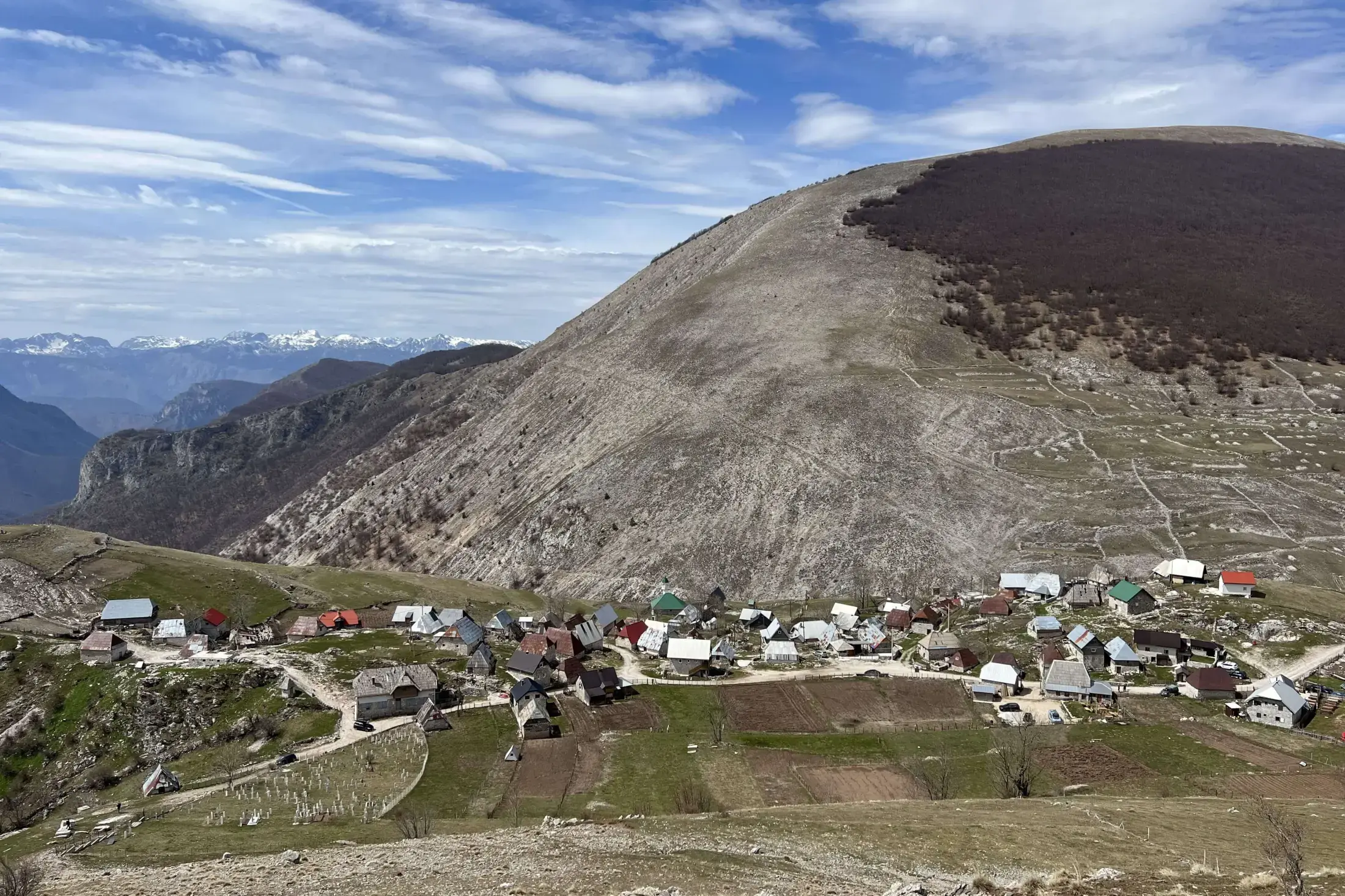
Sun protection gets underestimated in the mountains. Sunglasses, sunscreen and a cap or buff are worth having even when the morning starts cold, particularly on the open ground around Lukomir, Bjelašnica and Visočica, and on the higher ridges in Herzegovina.
A small pack does for most hikes near Sarajevo. Longer routes in Prenj or Sutjeska are worth trekking poles, a bigger pack and more spare clothing. Pack for the length and exposure of the actual route rather than for the words "day trip".
Always bring one warm layer you do not expect to need. Wind on the ridges and weather that turns at altitude can make it feel far colder than the city forecast suggested, and it is the mistake first-time hikers here make most often.
Keep the small things together: phone, ID, cash, a power bank if you need one, tissues, and a dry bag or zip pouch for when it rains. Spare socks are worth the space, because wet feet can spoil an otherwise easy day.
Exposed or technical routes change the list. Helmet, ferrata set, gloves and any route-specific safety equipment get fitted and checked before you leave, not improvised at the trailhead.
One last thing, and it is not equipment. Confirm the meeting point, how long the day is meant to take, how you are getting there, what the weather is doing, and whether food is included. Far more day hikes go wrong from an unchecked assumption than from a missing piece of kit.