What to know before you go
Istup near Stolac is one of those Herzegovina places that has stayed under the radar despite photographing extremely well. Part of the appeal is that you have to work for it. That is also why it stays quieter and feels wilder than the waterfalls you can park next to.
The approach starts by driving through Stolac towards the village of Barane. The paved road is manageable, though it narrows the closer you get. Past the village it turns into a rough dirt track that low cars should not attempt, and that is the first practical thing to sort out before you set off.
Leave the car in Barane and the walk becomes a real part of the day rather than a token final approach: roughly 3.7 kilometres with a little over 200 metres of ascent, though how it feels depends on where exactly you parked and what the ground is doing. With more clearance you can cut the walk short. Istup is still an outing rather than a roadside stop.
Use this guide for planning, then check current weather, route conditions, access, and tour details before choosing a date.
The last section catches people out. It gets rockier, wetter and more awkward, and there is water to cross, some of it shallow and some of it not, before you reach the pools under the falls. It is beautiful, and it is not a maintained tourist path. Footwear and expectations both matter more here than on a forest walk.
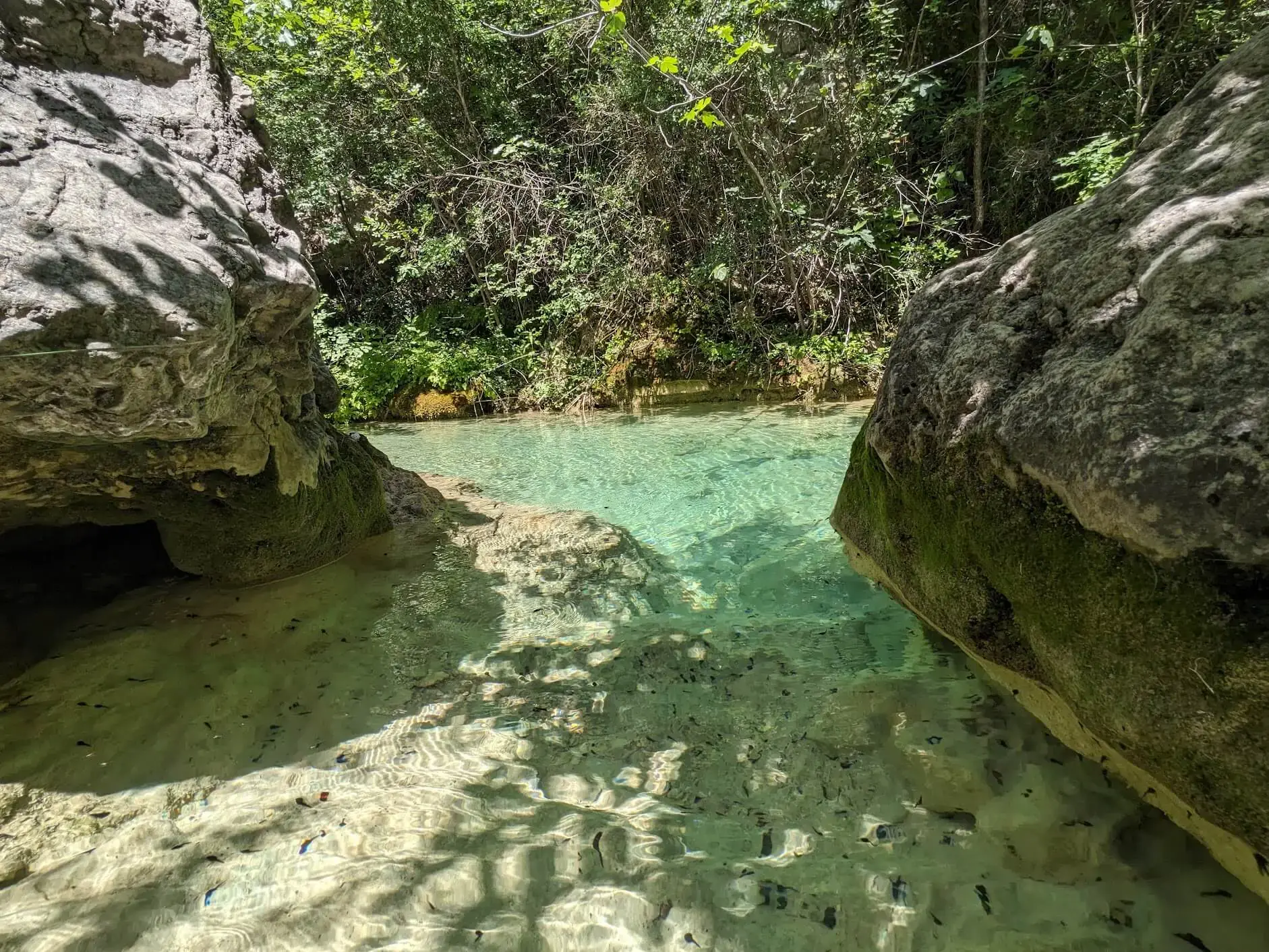
Those pools are what the visit is really about. The lower one is straightforward to get to. The upper one asks for more confidence on rock. From down there the scale of the falls becomes obvious in a way the photographs never manage, and the basin is enclosed enough to feel almost cave-like, which is why the place reads so differently from an open waterfall viewpoint.
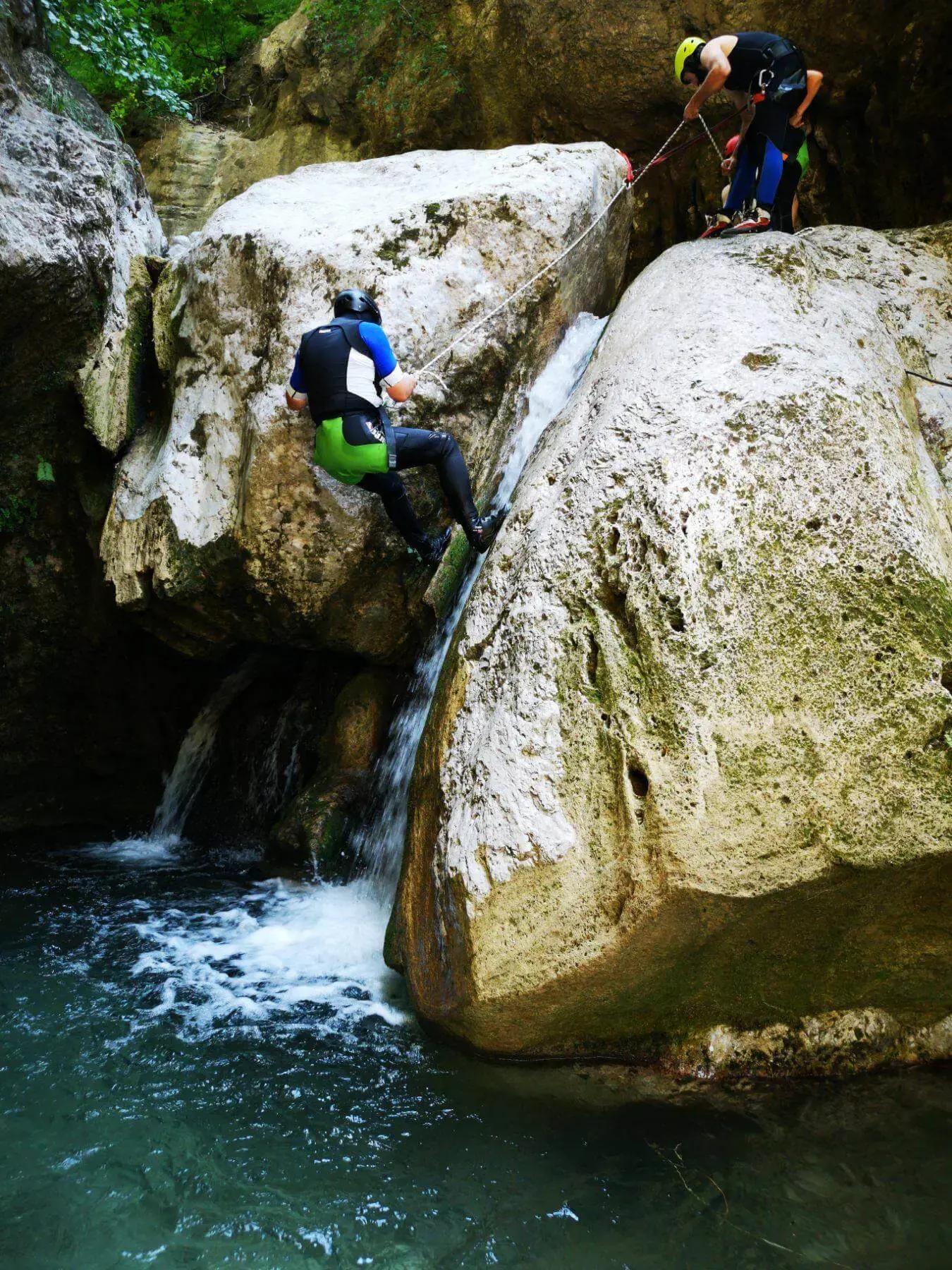
The terrain invites messing about, which is the other reason to come. Depending on conditions and how you feel about water, the day can take in scrambling, swimming and short jumps into the pools. It suits people who want more than an out and back.
Timing is not entirely straightforward. July is excellent if you came for the swimming, since the pools and the air are both warm by then. Later in the summer the flow drops and the falls are less impressive. Spring through mid-summer is the window we plan around, and where you land inside it depends on whether you care more about water volume or water temperature.
The wider area is worth building into the day. Depending on the route you take, the approach connects with the Radimlja canyon landscape and the heritage sites around Stolac, so the trip does not have to be one waterfall and a drive home.
Istup is worth the effort on one condition: treat it as an adventure day rather than a stop on the way to somewhere else.